The combining-six garden
Kanazawa has one of the three great gardens of Japan -- Kenrokuen. The name means "combining-six garden", referring to an 11th century Chinese description of the six attributes of a good garden. Developed by a series of retainers of the Maeda family over 200 years, it's hard to imagine any attributes of a good garden not exemplified by it.
Tap on the images below to see a larger version.
I've now visited all three of the famous gardens of Japan. Click here for the page on Korakuen in Okayama.
宏大 Spaciousness
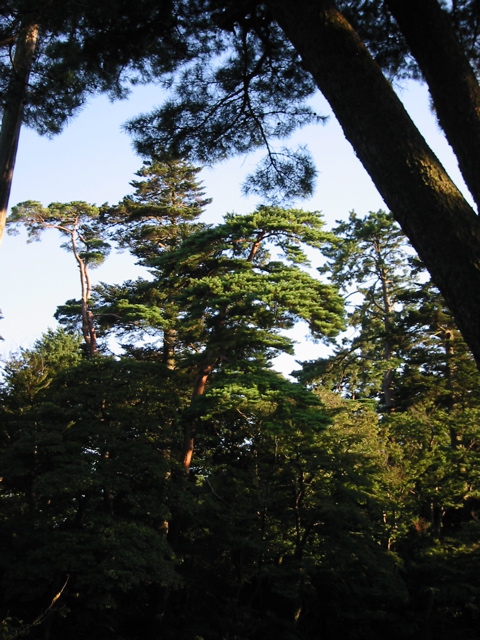
I don't know what the original Chinese author meant, but for me, while Kenrokuen was clearly spacious (I spent a couple very long days here during my October trip, and perhaps I got to most corners of the garden), many times the sense of spaciousness was upwards rather than outwards.
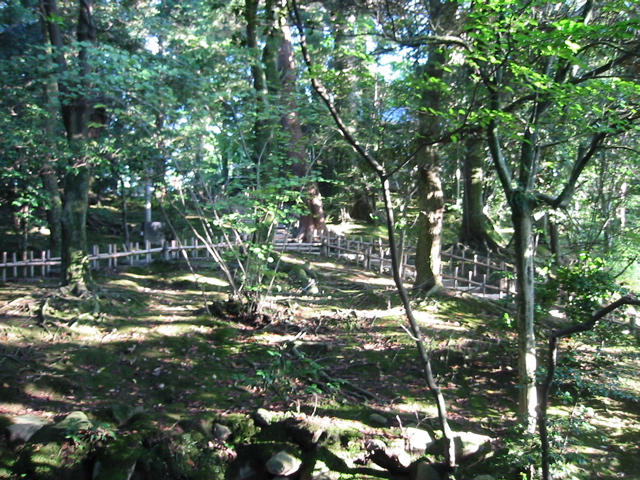
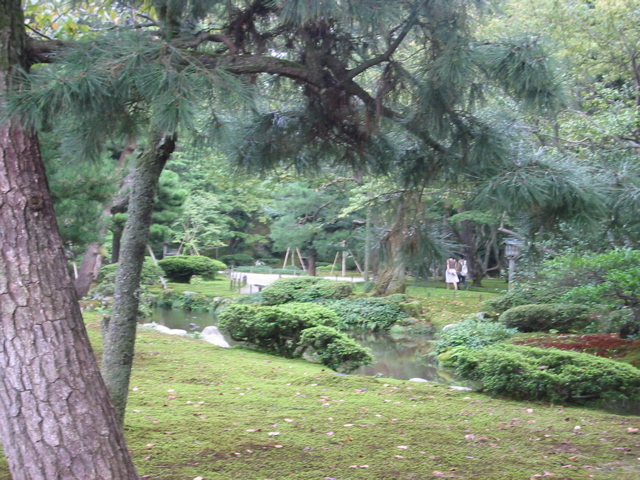
Like most places in Japan, Kenrokuen is very bounded -- there's an outside and an inside -- and so the sense of spaciousness is different than what a Montanan would expect.
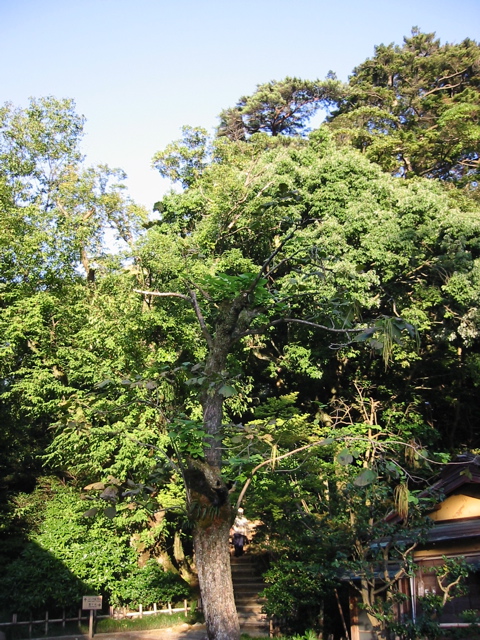
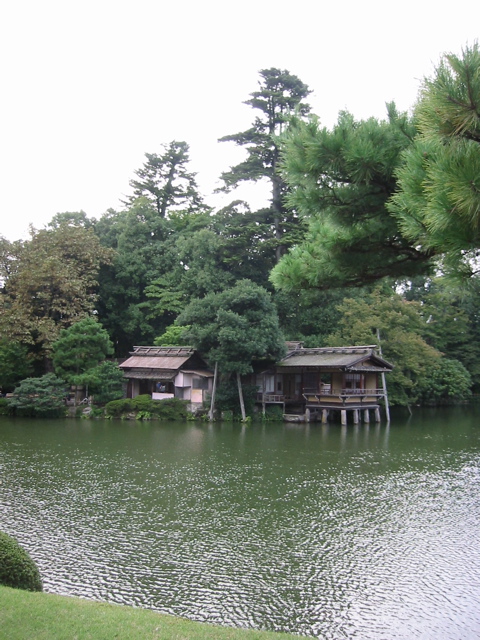
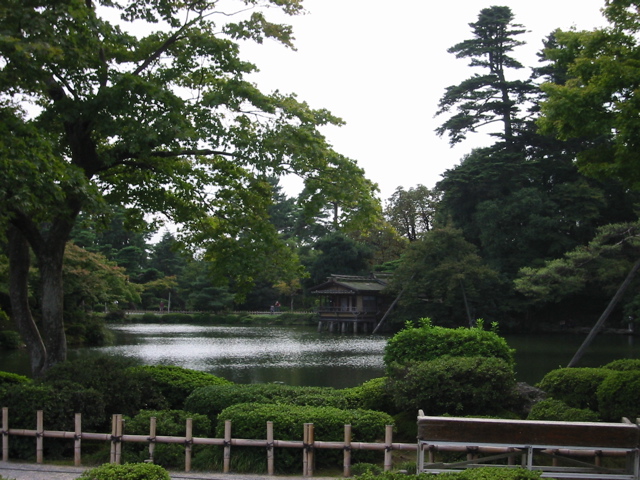
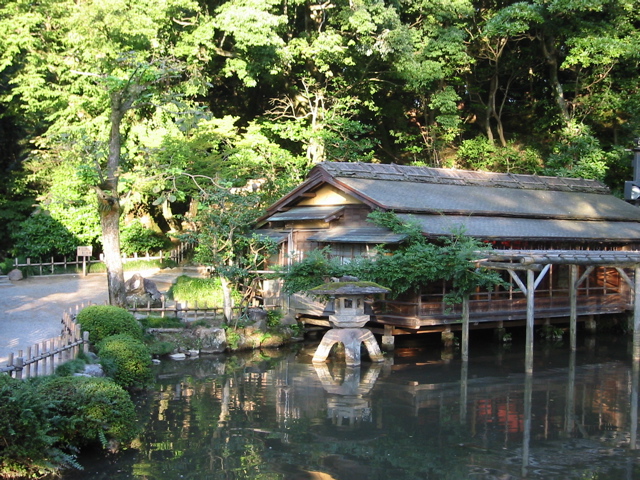
One evening we came to this pavillion for a public koto concert. The woman performing was inside the pavillion across the water, and the audience was gathered on blankets on the near side of the water. It was nice although that night (it was quite dark by the time the concert happened) the garden was more crowded than I had ever seen it during the day.
幽邃 Quietness
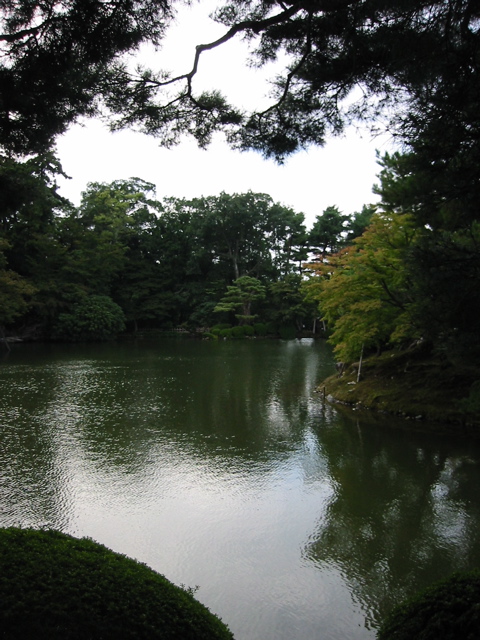
Especially if you're lucky enough to go there on a less-than-busy day, Kenrokuen has tons of secluded spots where you can appreciate the plants, trees, and structures that make up the garden.
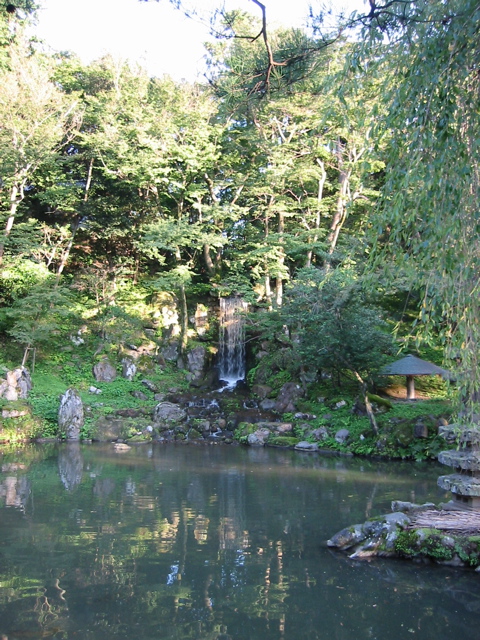
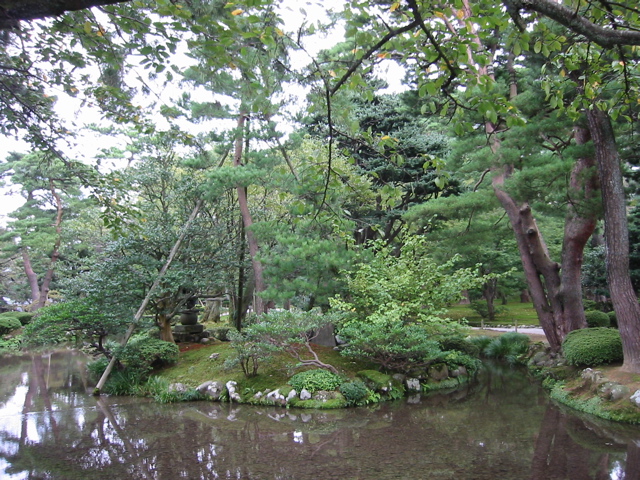
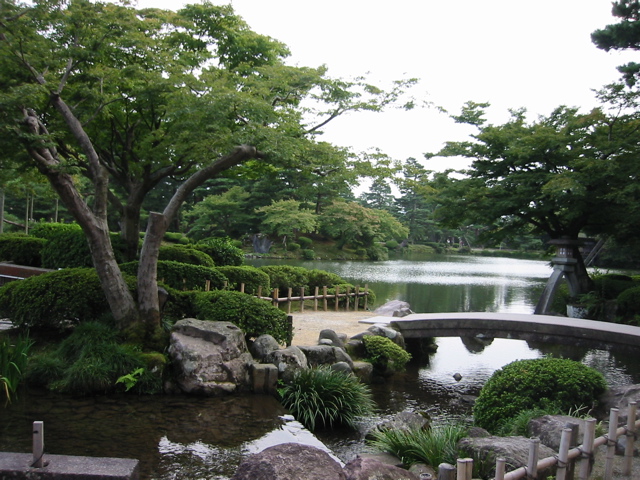
The pond in these images is in one corner of Kenrokuen and was my favorite spot in the garden.
人力 Human Strength
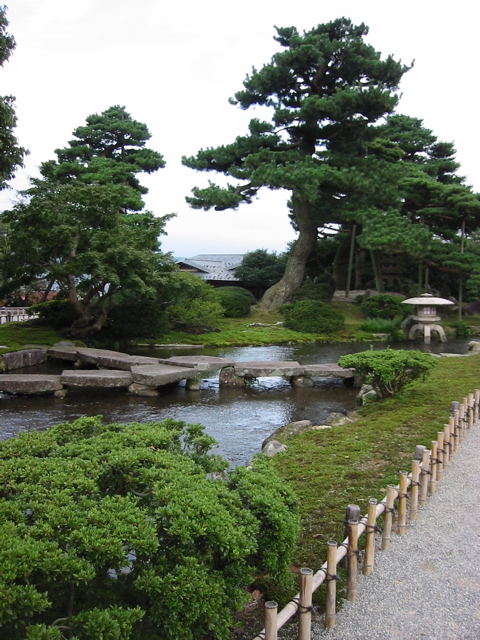
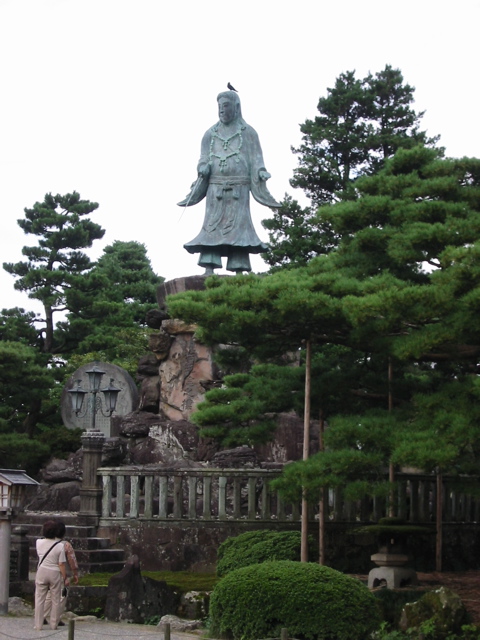
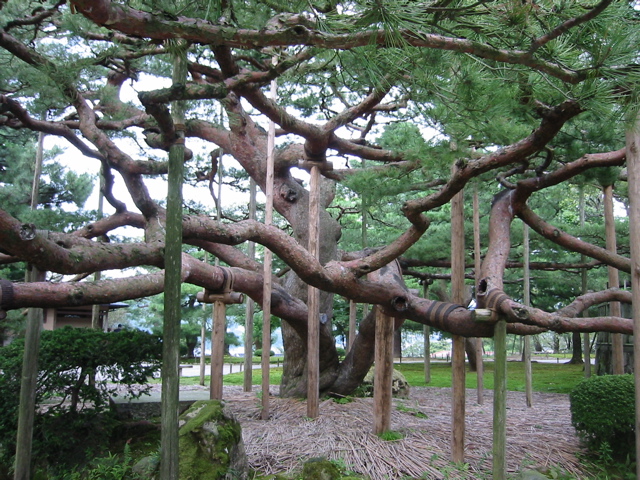
One of the things that's most striking to me about Japanese gardens is how strongly the human hand is felt in them. Many western gardens have a feel of trying to show off nature. Japanese gardens -- and certainly highly-developed ones like Kenrokuen -- are about showing off the natural elements as manipulated by man.
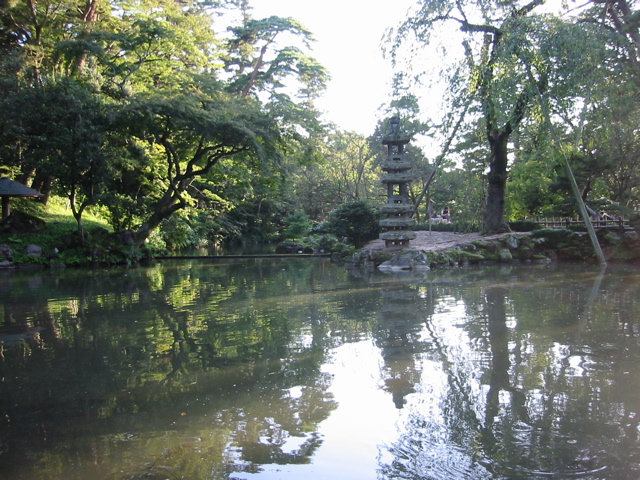
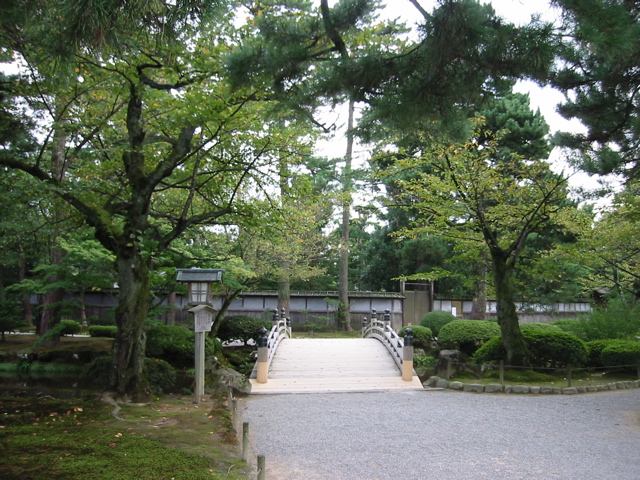
Almost no place in the garden is actually natural -- they're all the results of decades (or as here, centuries) of man bending the garden to his will.
眺望 Beautiful Views
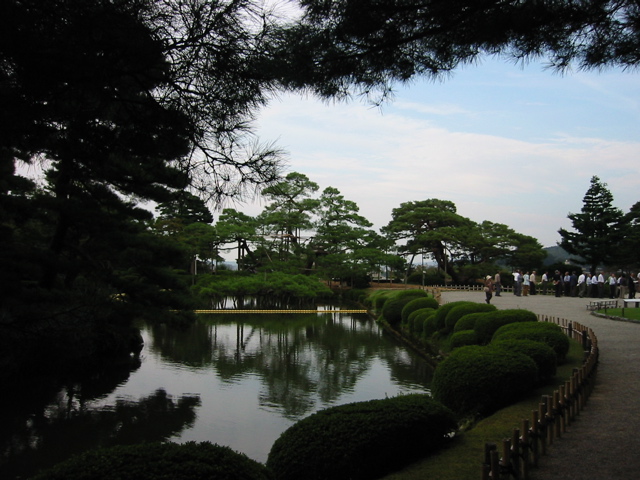
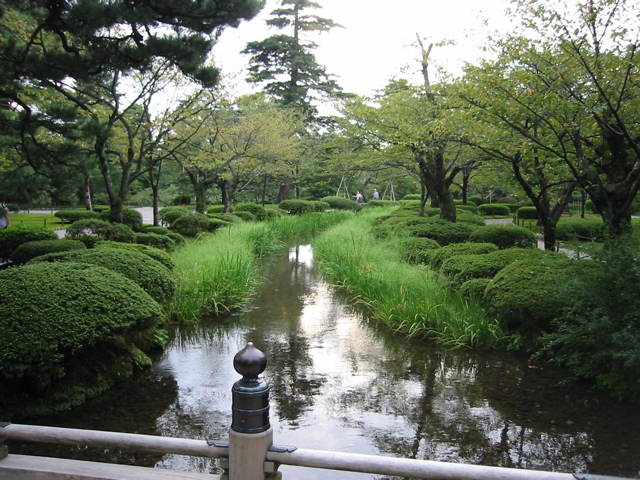
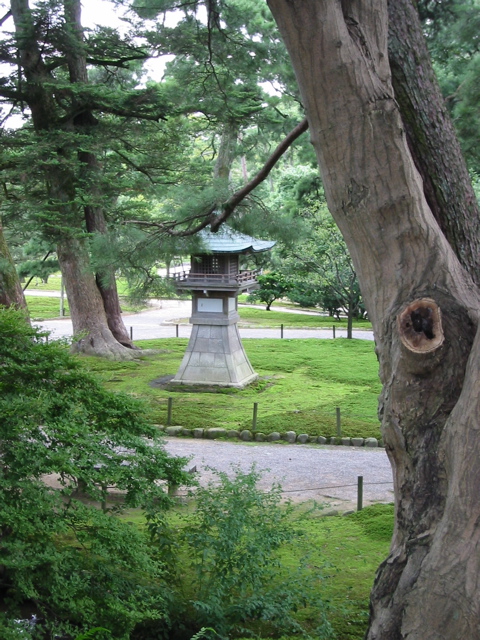
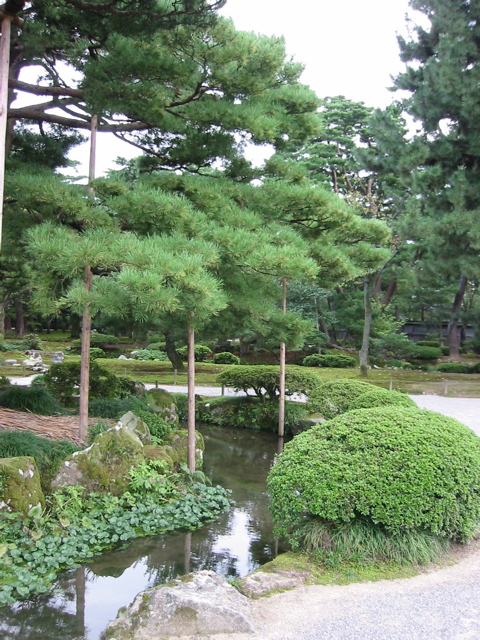
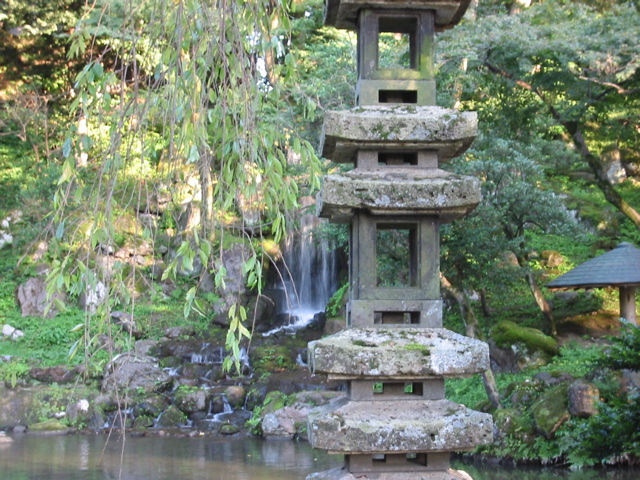
As I also remarked about Shizutani Gakkou, one of the effects of having such a strong human imprint on a place is that everywhere you go, beautifully arranged, pleasing vistas are unveiled. At first, you think to yourself, "It's almost as if someone stood here and planned what this view should look like."
Later you realize, of course, that this is exactly what happened.
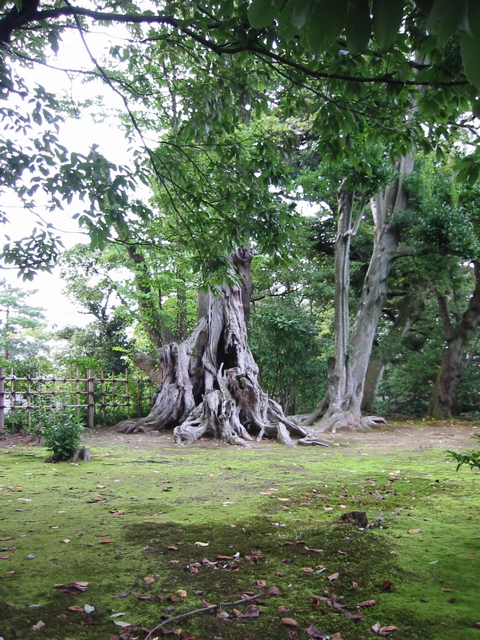
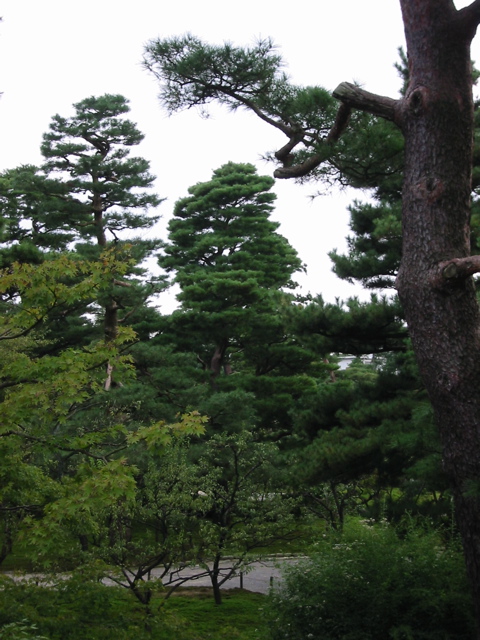
蒼古 Stateliness
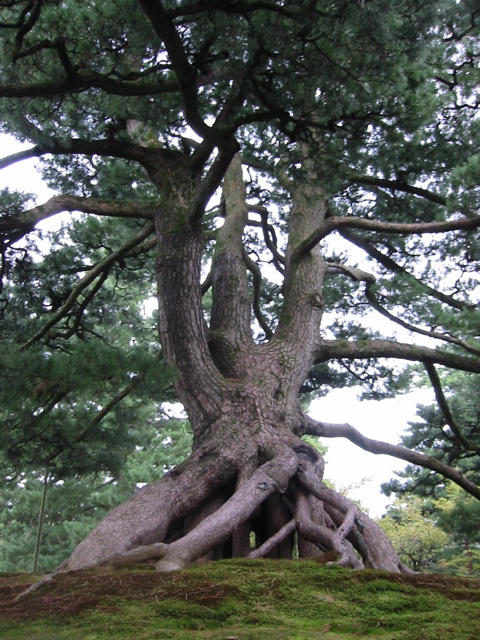
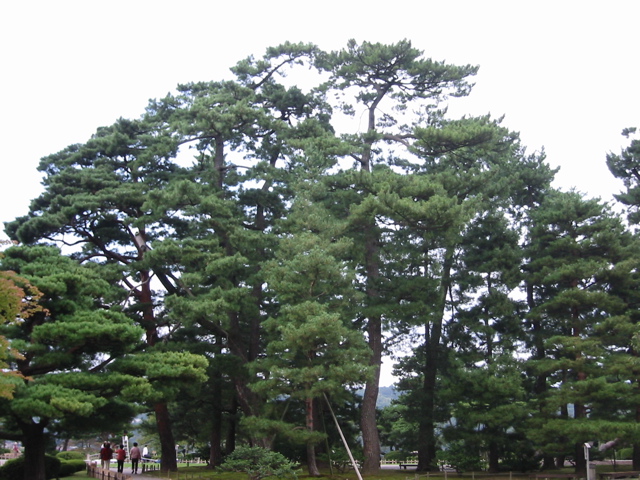
To me, this was most exemplified by some of the individual trees in the garden. Here are some of the most striking old flora of Kenrokuen.
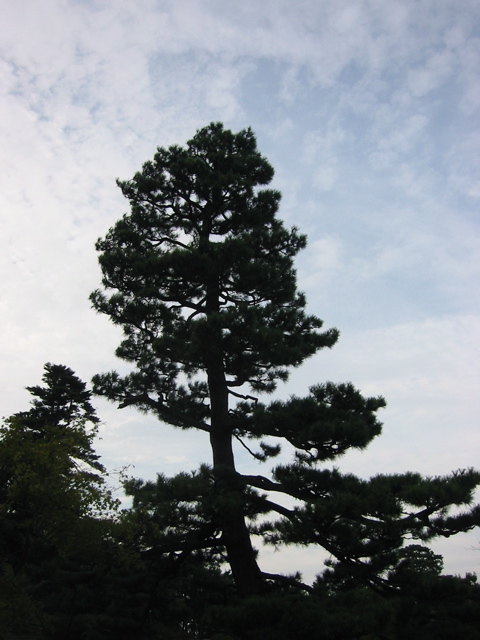
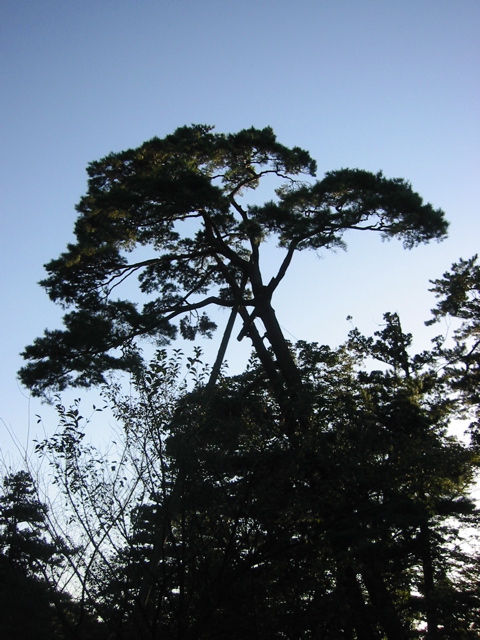
水泉 Water Springs
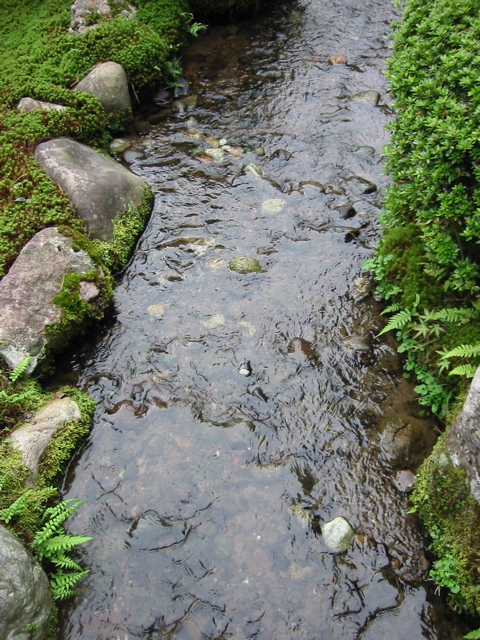
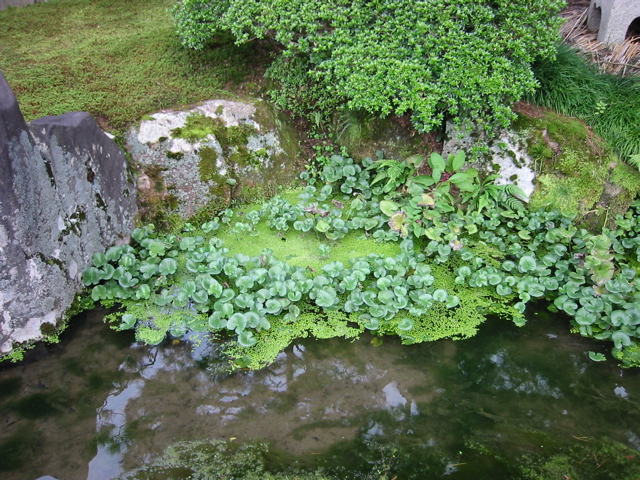
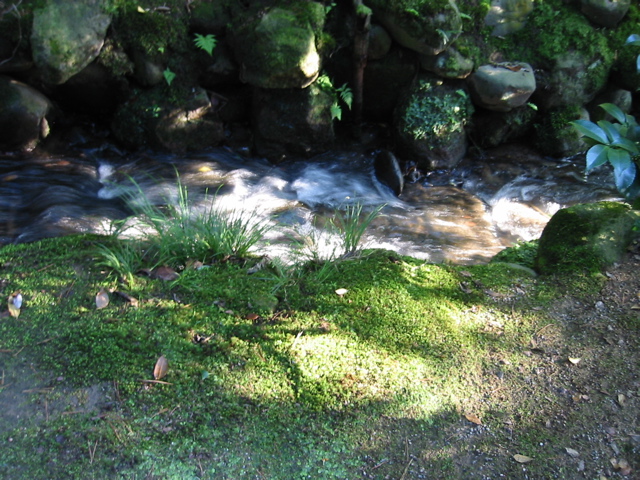
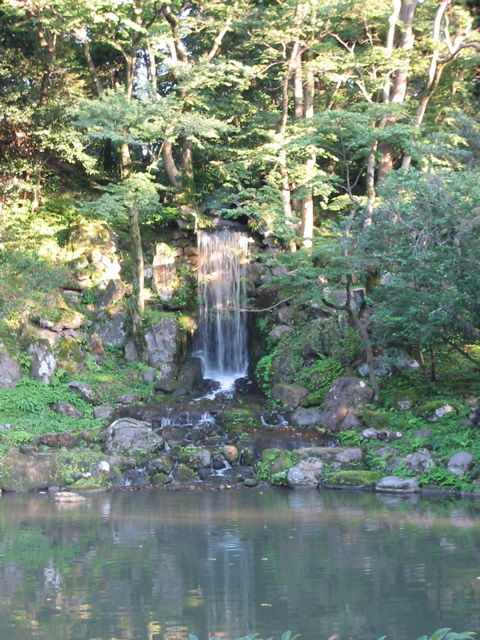
And finally, my favorite virtue of a Japanese garden -- water and rocks. Almost all of my favored spots in Kenrokuen, whether for sitting, strolling, or sketching, involved both.
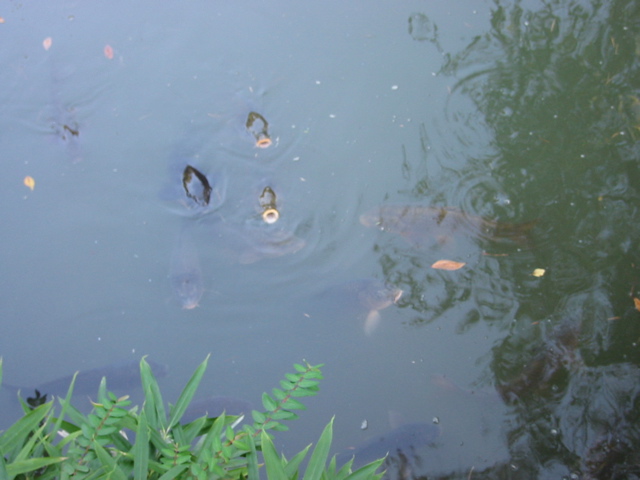
Below, carp come to the surface to feed in the pond that's in so many of these photos.
Navigation links
© 2004-2021 Leo Hourvitz